After the Journey: Psychedelic Integration Support in Oregon and Online
The journey ends. The colors fade, the music stops, and you find yourself back in your ordinary life: the dishes, your inbox, the familiar walls of home.
But something has shifted. Maybe you touched a grief you'd been carrying for years. Maybe you felt, for a few luminous hours, what it's like to be at peace in your own skin. Maybe the experience was hard, confusing, or frightening, and you're still trying to make sense of it.
Whatever you met out there, a quiet question follows you home: now what?
That question leads us to the important work of integration.
What is psychedelic integration?
Integration is the process of weaving what you experienced during a psychedelic journey into your everyday life. It's how insight becomes change, how a vision becomes a way of living, and how difficult material gets tended rather than left raw.
Many people think of the journey as the main event. In my experience, it's closer to the opposite. The journey opens the door. Integration is how you walk through it.
Without integration, even a profound experience can fade into a beautiful memory that changes little. With it, a single journey can ripple through years.
Why the weeks after matter most
In the days and weeks after a psychedelic experience, many people describe a feeling of openness: old patterns feel looser, emotions sit closer to the surface, and new perspectives seem more possible. This window is precious, and it's also tender.
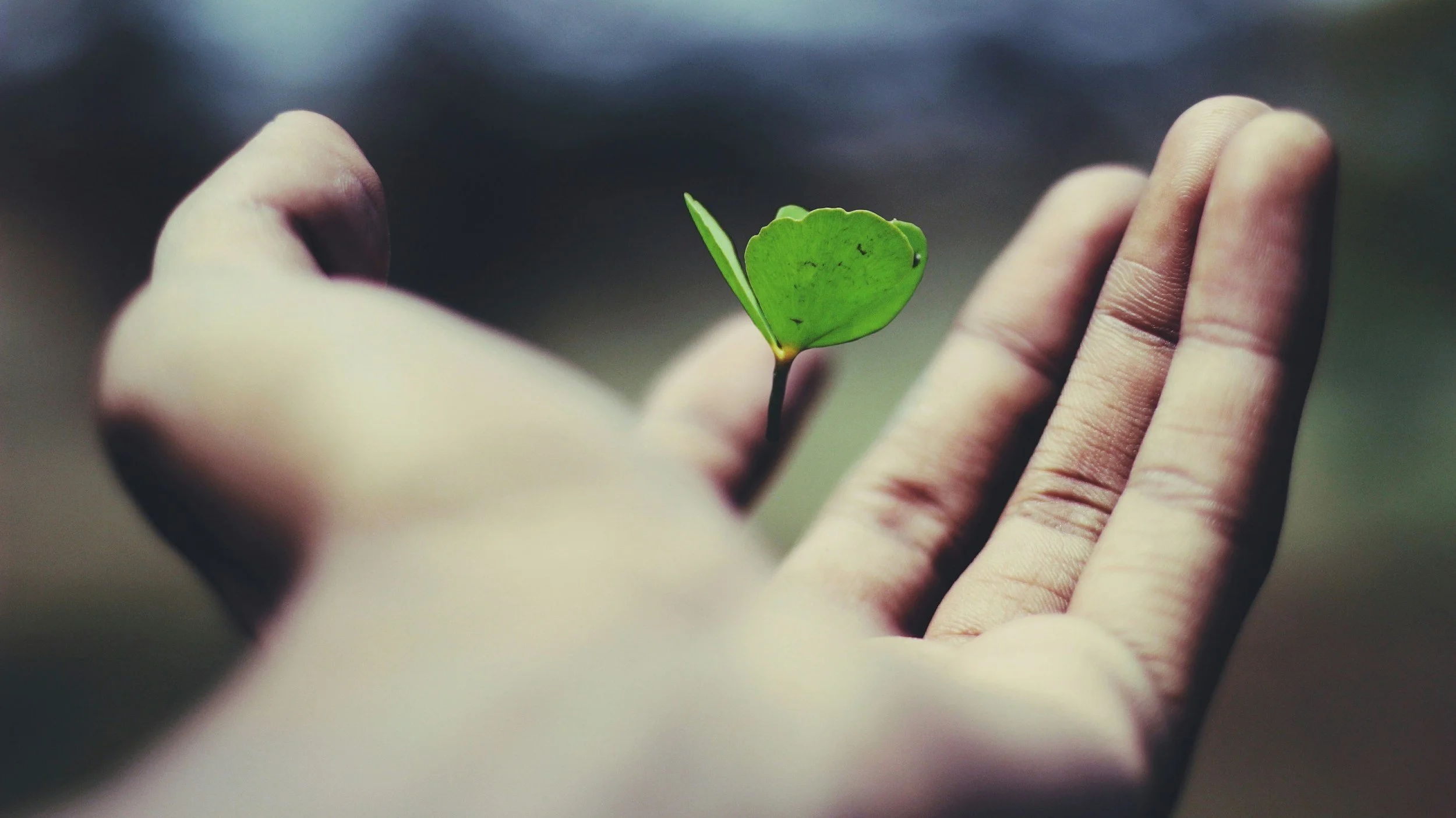
It's a time when gentle attention can help new ways of being take root, the way seedlings need extra care in their first weeks. It's also a time when you may feel unusually sensitive, and when the pull to rush back into busy life can quietly close what was opened.
What you might be feeling
There's no single right way to feel after a journey. Some common experiences:
Afterglow. Lightness, clarity, love, and a renewed sense of connection.
Emotional rawness. Tears that come easily, old memories resurfacing, tenderness.
Confusion. Vivid images or insights that don't quite make sense yet.
Loneliness. Struggling to explain the experience to people who haven't had one.
Big urges. A strong pull to quit the job, end the relationship, move across the country.
A lingering difficult experience. Fear, dread, or unsettling images that stayed with you after a hard journey.
These are all normal.
Gentle practices for integration
Rest first. Give yourself soft, unscheduled time in the days after your journey. Your whole system has been through something significant.
Write it down, or draw it. Capture images, words, and feelings before they fade, without trying to interpret them yet. Many insights reveal their meaning slowly, over weeks or months.
Treat images as living symbols. A journey often speaks in the language of dreams and myth: an animal guide, a dark forest, a door, a river. Rather than decoding them like a puzzle, spend time with them. Ask what they want you to know. Let them keep teaching.
Come back to the body. Insights often live in the body before they reach words. Walking, stretching, dancing, or simply noticing sensation helps ground the experience. If you feel shaken or on edge afterward, the practices in Signs Your Nervous System Is Stuck in High Alert can help you settle.
Spend time in nature. The forest, the river, the garden. Many people find the natural world helps hold what feels too big to hold alone.
Wait before making big decisions. If you feel called to dramatic change, honor the call and give it time. Let it steep for a few weeks. What's true will still be true, and you'll meet it with more grounding.
Talk with someone who understands. Integration is easier when it's witnessed. That might be a friend who's walked this path, an integration circle, a therapist, or a guide.
When to reach out for more support
Most people move through integration with time and gentle care. Please reach out to a licensed mental health professional or your doctor if, in the weeks after a journey, you experience:
Anxiety, panic, or low mood that isn't easing, or is getting worse
Persistent feelings of unreality, or of being disconnected from yourself or the world
Ongoing visual changes, trouble sleeping, or intrusive memories
Confusion about what's real, or thoughts that frighten you
The Fireside Project offers free, confidential psychedelic peer support by call or text at 62-FIRESIDE (623-473-7433). If you're in crisis, call or text 988, or call 911 in an emergency.
How somatic hypnotherapy supports integration
Hypnosis and psychedelics both open a doorway into non-ordinary states of consciousness. That shared territory makes hypnotherapy a uniquely gentle integration tool.
In the relaxed, focused state of hypnosis, it's often possible to return to images and feelings from a journey in a grounded, sober way, with support. Together, we might:
Revisit a meaningful image or insight and let it deepen
Gently tend a difficult part of the journey so it can settle in the body
Anchor a felt sense of peace or connection so you can return to it on your own
Explore how to live what you learned, one small, embodied step at a time
Difficult journeys, in particular, can become some of the most meaningful when they're met with care afterward. I write more about this kind of growth in Healing from Trauma: How Hypnotherapy Supports Post-Traumatic Growth.
Support for every kind of journey
I offer integration support for people who journeyed at Oregon's licensed psilocybin service centers, and for those who journeyed on their own. You don't need to explain or justify how your experience happened to receive care afterward. I'm not a licensed psilocybin facilitator, and I don't provide or source substances. What I offer is a steady, nonjudgmental space to make meaning of what you lived through.
Sessions are available in person in Eugene and online across Oregon and beyond. If you're still planning your journey, How to Prepare for a Psilocybin Journey in Oregon is a good place to start. And if you're curious what a session looks like, Hypnotherapy in Eugene, Oregon: What Your First Session Is Really Like walks through it.
The long way home
Integration isn't a single conversation or a task to complete. It's a slow, living process, more like tending a garden than solving a problem.
Be patient with yourself. Keep listening. And trust that whatever you brought back, the beauty and the difficulty alike, can become part of a fuller, more whole life.
This post is for educational and harm reduction purposes only and is not medical or legal advice. Maya Fern is not a licensed Oregon psilocybin facilitator and does not provide or source psilocybin.
Maya Fern is a somatic hypnotherapist and psychedelic preparation and integration guide at Aumaya Hypnosis in Eugene, Oregon, offering in-person and online sessions.