The Gray Season: Tending Your Nervous System Through Oregon's Dark, Rainy Months
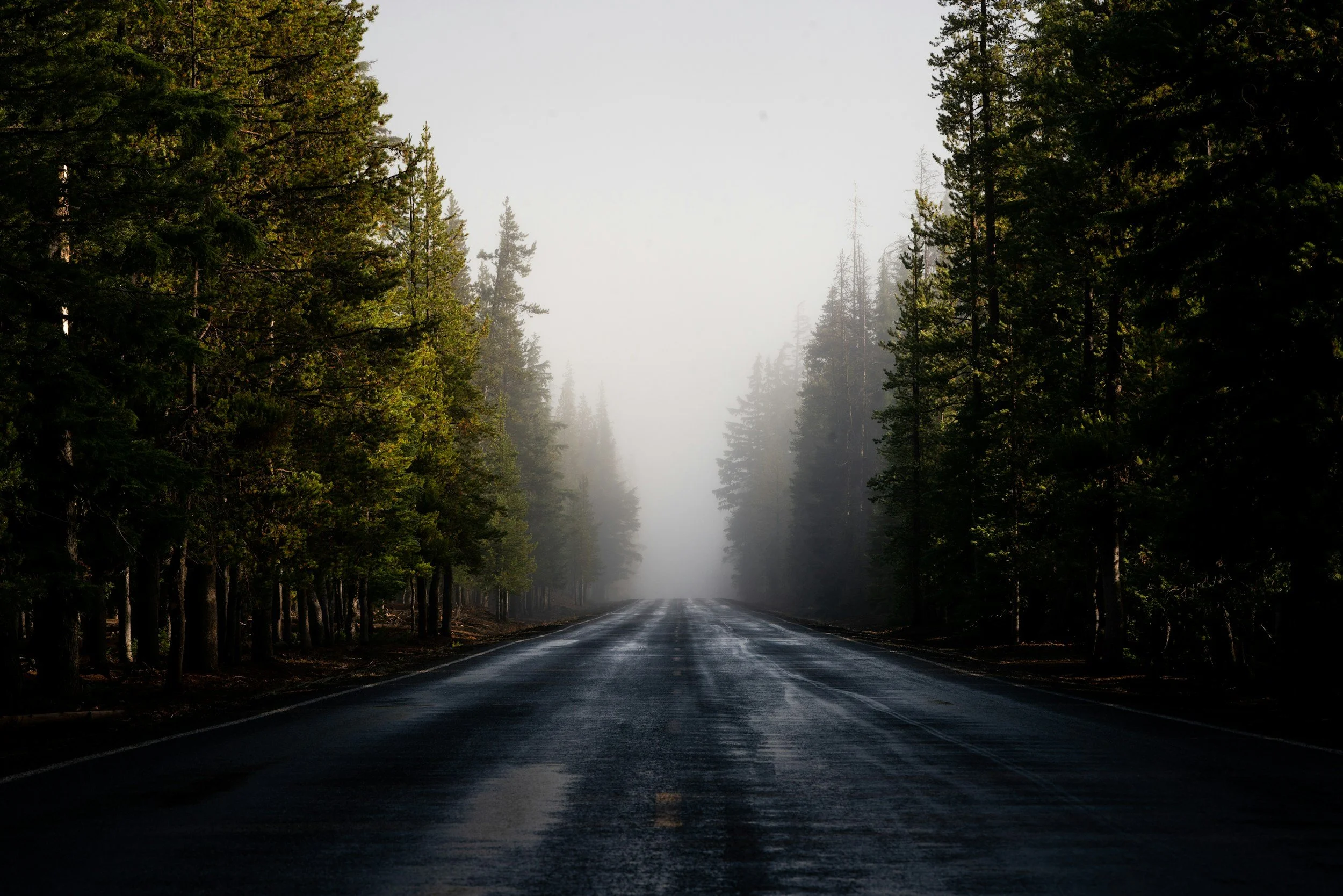
Somewhere in October, it happens. The first long rain arrives and doesn't leave. The light thins by late afternoon. The maples along the Willamette let go of their gold, and the whole valley seems to exhale and pull its blanket up a little higher.
If you've lived in Oregon for a while, you know this season in your body before you name it. The shoulders creep up. Sleep gets heavier, or lighter and more restless. The old worries feel louder in a dark house at 5 p.m. And some part of you braces for the long months ahead.
This is the gray season. It asks something different of us, and it offers something different too.
Why the gray season lands in the body
Your nervous system is always reading the world around you. Light, temperature, movement, and connection are all signals it uses to decide whether it's safe to settle or needs to stay on guard.
When the days shorten and the skies stay low, many of those signals quiet down at once. There's less daylight to set your inner clock. Less time outdoors. Fewer spontaneous moments with neighbors and friends. The body notices, even when the mind insists everything is fine.
For people who already live with anxiety, chronic stress, or trouble sleeping, this can feel like the volume turning up. Old patterns of worry and tension, the ones we explored in Healing Anxiety: Using Somatic Hypnotherapy to Break Free from Chronic Stress and Fear, often grow louder in winter because your system has fewer natural anchors.
What the forest knows
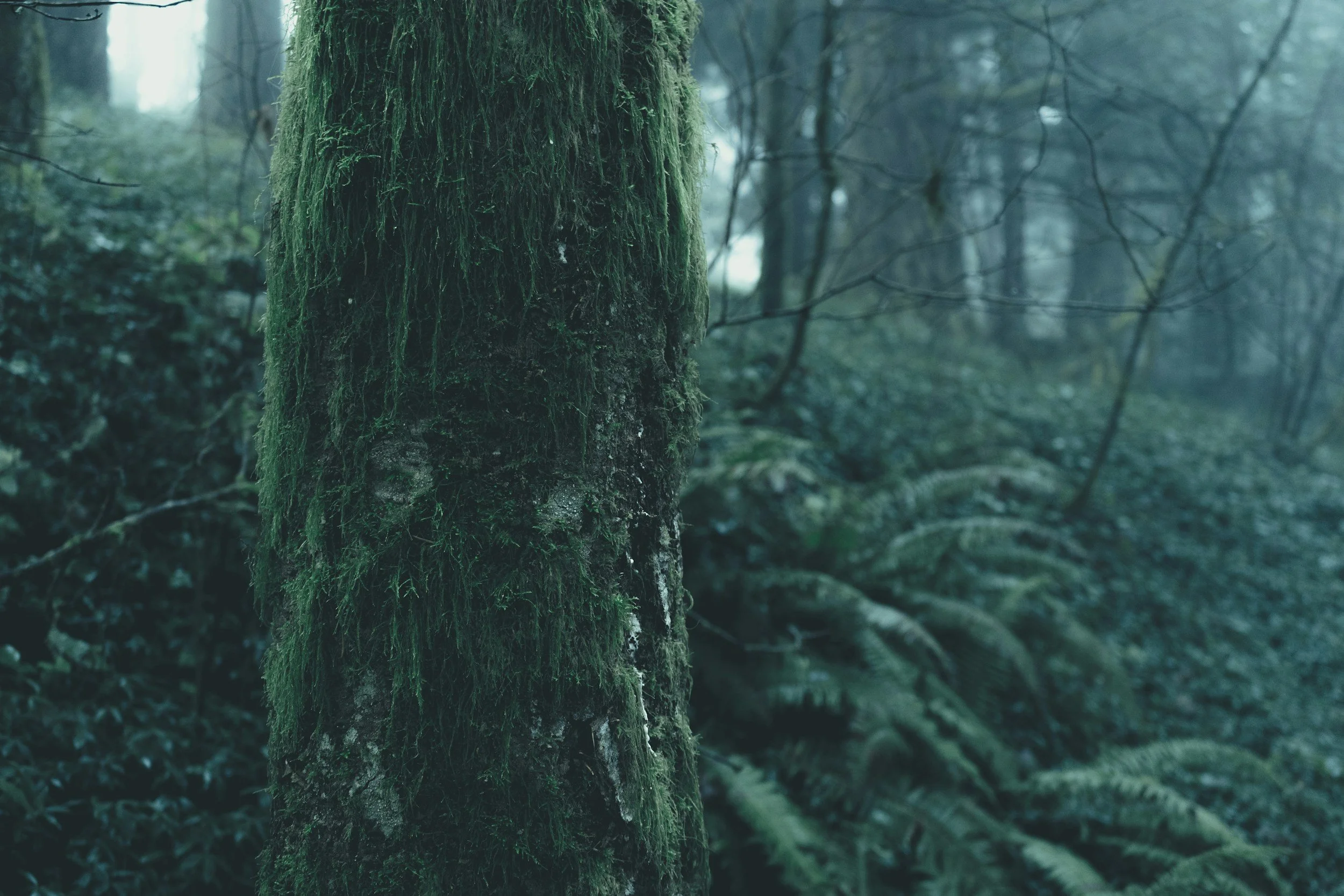
Walk into any Oregon forest in November and you'll find it anything but dead. The moss is at its most luminous. The ferns are deep green and dripping. Mushrooms push up through the duff. The rain is what the forest has been waiting for since summer’s arrival.
There's a quiet teaching here. The seasons each have their own purpose. Some are for soaking in, slowing down, and tending roots. The forest doesn't apologize for resting.
What if the gray season isn't something to get through, but something to settle into?

Six gentle ways to tend your nervous system this season
1. Meet the morning light. Even on overcast days, outdoor light is far brighter than indoor light. A short walk, or a few minutes on the porch with your coffee, helps tell your body what time it is. If mornings are dark, open the curtains the moment you wake.
2. Go out in the rain, just a little. Oregonians know the secret: good boots and a hood change everything. Five minutes under the trees, noticing the smell of wet earth and the sound of rain on leaves, is a simple way to shift out of your head and into your senses.
3. Bring warmth into the body. Wrap your hands around a warm mug. Rest a palm on your chest or belly and feel the heat of your own hand. Warmth is one of the oldest signals of safety the body knows.
4. Let your exhale be longer. When you notice tension rising, breathe in gently, then let the out-breath be slow and unhurried, like fog drifting off a hillside. A longer exhale is one of the most direct ways to invite your nervous system to soften.
5. Create evening rituals. When darkness comes early, the evening can feel endless. Give it a shape: a candle lit at dusk, a warm bath, music, a slow meal. Rituals tell the body what comes next, and predictability is deeply calming. If sleep is a struggle this time of year, check out Hypnotherapy for Sleep: How to Rewire Your Mind for Restful Nights.
6. Stay woven in. Winter can quietly pull us into isolation. A standing walk with a friend, a weekly soup night, or a class at a local community space keeps you connected. Co-regulation, feeling calmer in the presence of other calm people, is one of the nervous system's most powerful medicines.
When the gray feels heavier
For some people, the winter months bring more than a dip in energy. If you notice a persistent low mood, loss of interest in things you usually enjoy, or changes in sleep and appetite that last for weeks, please reach out to your doctor or a mental health professional. Seasonal depression is real and very treatable, and you deserve support. If you're in crisis, call or text 988 any time.
Hypnotherapy can be a meaningful companion alongside that care, but it isn't a replacement for it.
How somatic hypnotherapy can help
Somatic hypnotherapy works directly with the body's sense of safety. In session, we slow down enough to feel where the season is landing, the tight jaw, the braced shoulders, the restless mind at night, and gently help the body remember what settling feels like.
Many clients use the winter months as a season of inner work: a time to tend old patterns, build a felt sense of calm they can return to, and enter spring feeling more resourced than depleted.
If you're curious about what that looks like, you can read Hypnotherapy in Eugene, Oregon: What Your First Session Is Really Like. I see clients in person in Eugene and online across Oregon and beyond, which can be especially welcome on the rainiest days.
Tending your roots
The gray season will come, as it always does. The rain will soak the valley, the moss will glow, and the light will slowly, patiently return.
Until then, may you be gentle with yourself. May you find warmth in small places. And may you trust that, like the forest, you are not dormant, you are tending your roots.
Maya Fern is a somatic hypnotherapist and psychedelic preparation and integration guide at Aumaya Hypnosis in Eugene, Oregon, offering in-person and online sessions.